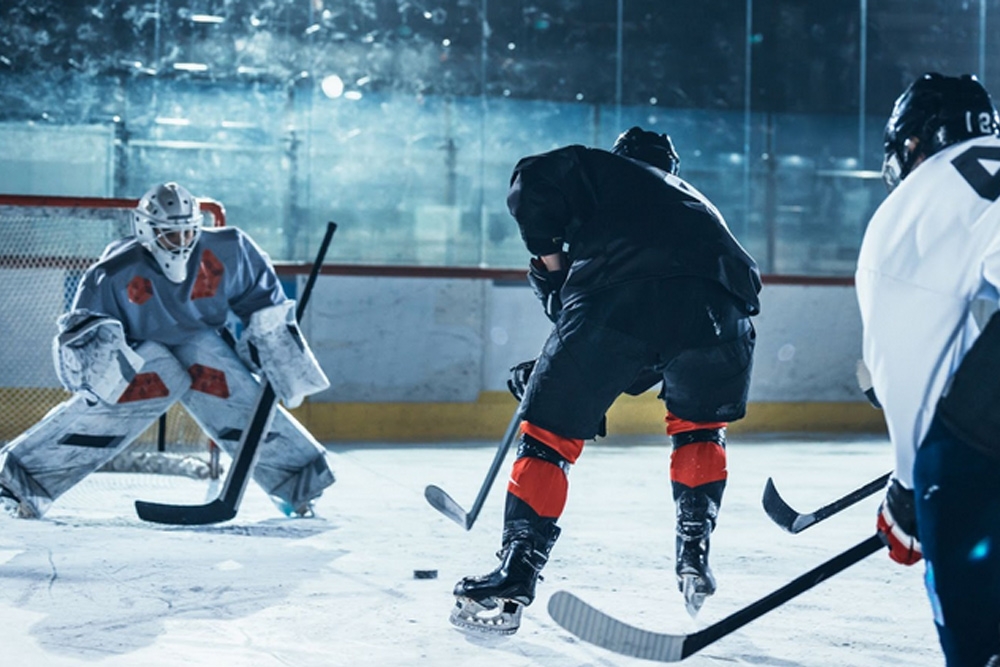
Being fast-paced, high-impact, and precision-driven, stick sports such as hockey, lacrosse, and field hockey challenge athletes to move with power and control. But that constant gripping, shooting, and contact can take a toll on one of the most crucial joints in the game: the wrist. Here’s what athletes need to know about treating, and preventing wrist sprains and ligament injuries.
Understanding Wrist Injuries in Stick Sports
The wrist is made up of eight small carpal bones connected by intricate ligaments that allow strength and flexibility. In stick sports, repeated motion and impact can strain or tear these ligaments, leading to instability or even long-term weakness if not treated properly. Common wrist injuries include:
- Wrist sprains: Overstretching or partial tearing of ligaments due to falls or sudden twists.
- Scapholunate dissociation: A separation between two key wrist bones, the scaphoid and lunate, often seen in hockey players following a fall or repetitive stress.
- TFCC (triangular fibrocartilage complex) tear: A cartilage and ligament injury on the pinky side of the wrist, common from repetitive stick handling.
These injuries often occur when athletes fall on an outstretched hand or absorb repeated stick vibrations during play.
Symptoms You Shouldn’t Ignore
Early signs of wrist ligament injury can be subtle, but worsening symptoms often signal more serious damage. Watch for:
- Pain, especially during gripping or rotation
- Swelling or bruising around the joint
- Clicking or popping sounds with movement
- Decreased grip strength
- A feeling of looseness or instability in the wrist
Ignoring these warning signs can allow minor sprains to progress into chronic instability or early arthritis.
Modern Treatments for Wrist Ligament Injuries
A thorough orthopedic evaluation is essential for any suspected wrist injury in athletes who depend on grip strength and wrist stability. X-rays and MRI scans help identify ligament tears, subtle fractures, or instability that may not be visible right away.
Treatment depends on the severity of the injury:
- Mild sprains often respond to rest, ice, bracing, and a structured rehabilitation program guided by a hand therapist.
- Moderate injuries involving partial ligament tears may be treated with wrist arthroscopy, a minimally invasive procedure that allows the surgeon to directly assess the damage and repair the ligaments through small incisions.
- Severe or complex injuries, such as scapholunate dissociation or TFCC tears, may require open or arthroscopic TFCC repair to restore proper alignment and stability to the wrist joint.
- In chronic or advanced cases where instability has led to cartilage wear or early arthritis, Ligament Reconstruction and Tendon Interposition (LRTI) may be recommended. This technique helps restore motion and strength by reconstructing the damaged ligaments using a patient’s own tendon tissue.
Early diagnosis and specialized care are key to preventing long-term wrist dysfunction. With modern surgical techniques and focused rehabilitation, most athletes can expect to return to sport with improved strength, stability, and confidence.
Preventing Overuse and Impact-Related Wrist Injuries
Preventive strategies can make a big difference:
- Use properly fitted gloves and protective gear.
- Strengthen the forearm and wrist muscles for better control.
- Warm up before games and stretch afterward to maintain flexibility.
- Avoid overtraining and give wrists adequate rest between practices.
Staying proactive not only protects performance but also preserves long-term joint health.
Get Back in the Game with Confidence
Wrist sprains and ligament injuries can slow even the toughest athletes, but modern orthopedic care offers solutions that restore strength and stability. Whether you play hockey, lacrosse, or field hockey, expert evaluation ensures the best outcome. Recover stronger. Move better. Play better. To learn more about advanced wrist treatment options, book an appointment with our specialist today.
Author: Mohammad Ali Khoshnevisan, MD, specializes in Hand & Wrist Surgery at Town Center Orthopaedics in Ashburn, Centreville, Fairfax, and Reston. Dr. Khoshnevisan is experienced in treating a range of hand, wrist, and upper extremity injuries and conditions. His top priority is ensuring you have a clear and thorough understanding of your condition and treatment options, so you can make a comfortable, confident, and well-informed decision about your care.