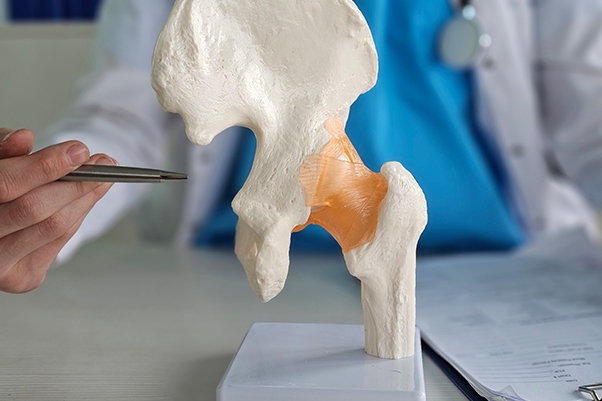
Living with chronic hip pain can feel like a losing battle against your own body, leaving you stuck between addictive medications and invasive surgery. Fortunately, modern orthopedic advancements offer powerful solutions designed to stop pain at its source through specialized surgical techniques. If you are considering surgery, it is essential to understand the distinction between direct anterior vs. posterior hip replacement.
Understanding the Direct Anterior Approach
The direct anterior approach is a muscle-sparing technique where the surgeon accesses the hip joint through the front of the body. Unlike traditional methods, this procedure allows the surgeon to work between the muscles rather than cutting through them. By following the natural intervals between muscle groups, there is significantly less trauma to the soft tissue surrounding the hip.
Patients often choose this method because it typically results in a faster initial recovery and fewer post-operative restrictions. Since the major muscles, like the gluteus medius, remain intact, patients often regain their stability and walking rhythm more quickly than with older techniques.
Exploring the Posterior Approach
The posterior approach is the most common and tried method for hip replacement. In this procedure, the surgeon makes an incision on the side or back of the hip. While this requires the surgeon to cut through some muscle and detachment of tendons to reach the joint, it provides an excellent view of the hip socket and femur.
This visibility makes the posterior approach highly versatile, especially for patients with complex hip anatomy or those requiring revision surgery. While the hip precautions (restrictions on bending or twisting) are often stricter during the first few weeks of recovery, the long-term success rates and durability of the implant are exceptional.
Key Differences in Recovery and Results
When comparing the two, the primary differences lie in the immediate post-operative phase:
- Muscle Damage: Anterior is muscle-sparing; posterior involves some muscle detachment.
- Incision Location: Anterior uses a small incision on the front; posterior uses an incision on the side/back.
- Precautions: Anterior patients often have no movement restrictions; posterior patients must follow specific "don't cross your legs" rules for several weeks.
- Nerve Risk: Anterior has a small risk of numbness in the thigh, while posterior has a slightly higher (though still very low) risk of hip dislocation.
Which Option is Right for You?
Ultimately, the best approach depends on your specific anatomy, bone quality, and your surgeon’s expertise. Both methods result in high patient satisfaction and a return to an active lifestyle after the initial healing period. Our goal is to help you return to the activities you love without the burden of constant pain. We are dedicated to providing personalized care that helps you Feel Better, Move Better, and Be Better.
Frequently Asked Questions
Is one approach more painful than the other?
While the anterior approach may involve less muscle soreness in the first few days, most patients in both groups report similar pain levels after the first two weeks.
How long does the surgery take?
Regardless of the approach, a typical hip replacement surgery takes between one and 1.5 hours.
Will I have a large scar?
Modern techniques use "mini-incisions." An anterior scar is usually 4–5 inches on the front of the thigh, while a posterior scar is slightly longer on the side of the buttock.
Can I drive sooner with an anterior replacement?
Many patients return to driving within 2–3 weeks if they are no longer taking narcotic pain medication and have regained sufficient reaction time in their right leg.
Which approach lasts longer?
The longevity of the hip implant depends on the quality of the components and the precision of the placement, not the surgical approach used to get it there. Both have excellent long-term track records.
Reference Links:
- Comparing direct anterior approach versus posterior approach or lateral approach in total hip arthroplasty: a systematic review and meta-analysis - PubMed Central
- Anterior Vs. Posterior Hip Replacement: Which Approach Is Best for You? - Hospital for Special Surgery
AUTHOR: Abbas Naqvi, MD – Orthopaedic Hip & Knee Replacement Surgeon
Abbas Naqvi, MD is an orthopaedic surgeon specializing in hip and knee replacement, joint preservation, and minimally invasive surgical techniques. Practicing at Town Center Orthopaedics in Ashburn, Centreville, and Fairfax, Virginia, he is dedicated to helping patients overcome joint pain and return to an active, healthy lifestyle. Dr. Naqvi emphasizes personalized care, combining advanced surgical technology with a patient-centered approach to achieve optimal outcomes.
Credentials & Training
Dr. Naqvi earned his undergraduate degree in Nutritional Science from the University of Maryland, College Park. He went on to receive his medical degree from Howard University College of Medicine in Washington, D.C. He completed his orthopaedic surgery residency at Howard University Hospital, where he gained extensive experience in both surgical and non-surgical management of musculoskeletal conditions, as well as caring for underserved patient populations.
Following residency, Dr. Naqvi pursued advanced fellowship training in adult reconstruction and joint replacement at the Holy Cross Orthopaedic Institute in Fort Lauderdale, Florida. There, he trained under leading experts in robotic-assisted joint replacement and minimally invasive hip and knee procedures, further refining his expertise in complex joint care.
Clinical Expertise
Dr. Naqvi specializes in minimally invasive and muscle-sparing techniques for hip and knee replacement, including the direct anterior approach for hip replacement and robotic-assisted joint replacement surgery. His approach is designed to minimize soft tissue disruption, reduce postoperative pain, and accelerate recovery.
He has extensive experience treating a wide range of musculoskeletal conditions, including osteoarthritis, avascular necrosis, and traumatic injuries such as fractures. In addition to joint replacement, he is skilled in joint preservation techniques aimed at delaying or preventing the need for surgery when possible.
Dr. Naqvi is committed to working closely with each patient to develop individualized treatment plans that align with their goals and lifestyle. Whether through advanced surgical intervention or conservative care, his focus remains on restoring mobility, relieving pain, and improving overall quality of life.
Medical Disclaimer: This information is for educational purposes only and does not constitute medical advice. For diagnosis and treatment recommendations, please consult with Dr. Naqvi or another qualified orthopaedic specialist.
Content authored by Dr. Abbas Naqvi and verified against official sources.