Living with chronic pain can feel like a losing battle against your own body. While many patients believe they must choose between addictive medications or invasive surgery, there is a powerful middle ground designed to stop pain at its source. Learn more about the specialized field of interventional pain management that can offer definitive relief.
Treating the Source, Not the Symptoms: The Science of Interventional Pain Relief
Traditional pain management often relies on oral medications that circulate through your entire system, sometimes causing unwanted side effects while only "masking" the pain. Interventional pain management is fundamentally different. It utilizes a discipline of medicine that focuses on diagnosing and treating pain through precise, minimally invasive procedures. By targeting the specific nerves, joints, or ligaments responsible for your discomfort, we aim to interrupt the pain signals before they ever reach your brain.
Precision Diagnostics: Finding the "Why" Behind the Ache
One of the greatest advantages of an interventional approach is its diagnostic power. Before we treat, we investigate. Using advanced imaging such as fluoroscopy (live X-ray) or ultrasound guidance, we can perform diagnostic "blocks." If a small amount of anesthetic injected into a specific facet joint or nerve root provides immediate relief, we have identified the "pain generator." This accuracy ensures that your treatment plan is built on data, not guesswork.
Common Interventional Procedures for Chronic Pain
Interventional specialists utilize a wide array of sophisticated techniques to provide relief without a scalpel. Some of the most effective treatments include:
- Epidural Steroid Injections: Ideal for treating inflammation associated with sciatica or herniated discs.
- Radiofrequency Ablation (RFA): Using thermal energy to "turn off" the nerves sending chronic pain signals from arthritic joints.
- Spinal Cord Stimulation: A "pacemaker for pain" that uses mild electrical pulses to interfere with pain messages in the spine.
- PRP (Platelet Rich Plasma) injections: These injections aim to signal your body to heal itself by injecting a byproduct of your own blood into the problematic area.
- Kyphoplasty/Sacroplasty: In-office procedures to treat painful compression fractures or sacral insufficiency fractures with the administration of a medical grade cement to help provide structural integrity to the bone.
- Joint Injections: Delivering lubricating or anti-inflammatory agents directly into the knee, hip, or shoulder.
Candidates for Interventional Pain Care: Avoiding Surgery and Reducing Downtime
If you are struggling with chronic back pain, neck pain, or joint degeneration that hasn't responded to rest or basic physical therapy, interventional care may be the missing link. It is particularly effective for patients who want to avoid the long recovery times associated with surgery or those who are looking to reduce their reliance on daily pain medications. Because these procedures are typically performed in an outpatient setting, most patients return to their normal routines within 24 hours.
Reclaiming Your Quality of Life
The ultimate goal of interventional pain management isn't just to lower a number on a pain scale; it is to restore your ability to engage with the world. When your pain is controlled, you can participate more effectively in physical therapy, return to your favorite hobbies, and improve your overall mental well-being. At our practice, we are committed to a comprehensive approach that helps you Feel Better, Move Better, and Be Better.
Frequently Asked Questions
How is interventional pain management different from traditional pain management?
Traditional management often focuses on managing symptoms with oral medications like NSAIDs or opioids. Interventional pain management uses minimally invasive procedures, such as nerve blocks or injections, to treat the specific pain generator at its source. This targeted approach often provides longer-lasting relief with fewer systemic side effects.
Are interventional procedures safe?
Yes. These procedures are performed in a controlled clinical environment using advanced imaging like fluoroscopy (X-ray) or ultrasound. This ensures the medication is delivered with precision, avoiding surrounding structures and significantly reducing the risk of complications compared to traditional open surgery.
Will I be put to sleep for these treatments?
Most interventional procedures are performed using local anesthesia, meaning you are awake but the treatment area is numb. For more involved procedures, such as Spinal Cord Stimulator trials, you can be given an oral relaxant medication to help tolerate the procedure.
How soon can I return to work after a procedure?
Because these are non-surgical treatments, downtime is minimal. Most patients can return to sedentary work or light daily activities within 24 to 48 hours. We typically advise avoiding heavy lifting or high-impact exercise for a few days to allow the injection site to settle.
Reference Links:
- A comprehensive overview and scope of interventional pain management - PubMed Central
- Interventional Pain Management - ScienceDirect
AUTHOR: Riju Dasgupta, MD – Interventional Pain Medicine Physician
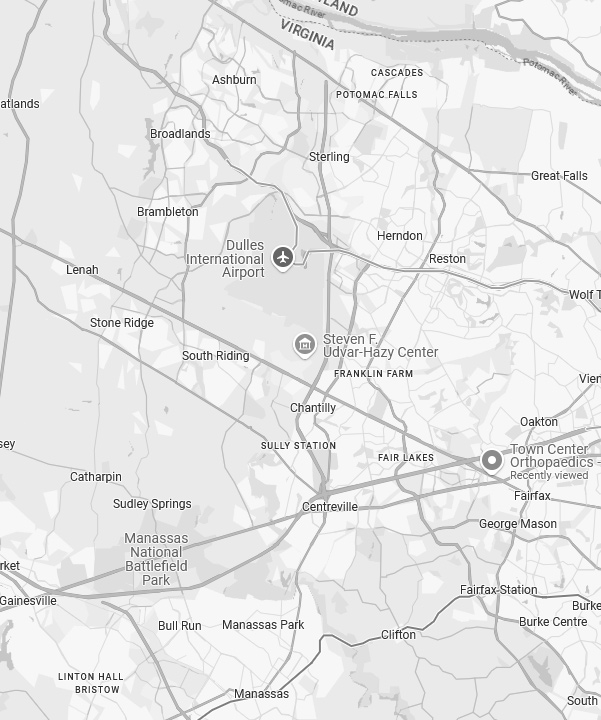
Riju Dasgupta, MD is an interventional pain medicine physician specializing in advanced, minimally invasive procedures to treat chronic spine and joint pain. Practicing in Fairfax and Reston, Virginia, he focuses on identifying the underlying cause of pain and developing individualized treatment plans that help patients achieve long-term relief and improved quality of life. His clinical interests include spinal cord stimulation, radiofrequency ablation, and image-guided procedures for chronic neck, back, and joint pain.
Credentials & Training
Dr. Dasgupta earned his medical degree from Northeast Ohio Medical University. He completed his anesthesia specialization at the University of Virginia, where he gained extensive experience in perioperative and pain management techniques. He then pursued fellowship training in pain medicine at the University of Cincinnati, where he further developed expertise in advanced interventional pain therapies.
Clinical Expertise
Dr. Dasgupta specializes in interventional pain management, focusing on minimally invasive treatments designed to reduce pain and improve daily function. His areas of expertise include spinal cord stimulation (neuromodulation), radiofrequency ablation (RFA), interventional spine procedures, and peripheral joint injections for conditions such as chronic low back pain and chronic neck pain.
He believes that educating patients about the source of their pain is essential to effective care and works collaboratively with each patient to develop a comprehensive treatment strategy. By combining advanced interventional techniques with patient-centered care, Dr. Dasgupta aims to restore mobility, reduce discomfort, and help patients regain a higher quality of life.
Medical Disclaimer: This information is for educational purposes only and does not constitute medical advice. For diagnosis and treatment recommendations, please consult with Dr. Dasgupta or another qualified pain management specialist.
Content authored by Dr. Riju Dasgupta and verified against official sources.