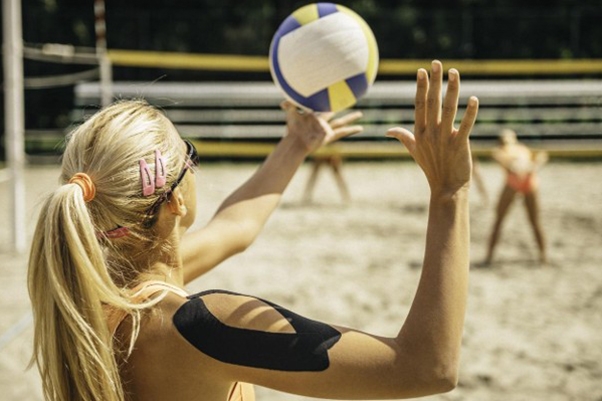
For baseball players, swimmers, volleyball athletes, and other overhead competitors, shoulder pain can be more than just soreness from training. Labral tears and rotator cuff injuries often present similarly but affect the shoulder in very different ways. Learn how sports medicine specialists distinguish between the two and develop the right treatment plan to restore active lifestyles.
What Is a Labral Tear and How Does It Affect Overhead Athletes?
The labrum is a ring of fibrocartilage that deepens the shoulder socket, providing the stability that allows overhead athletes to generate and decelerate enormous forces with every throw or stroke. The most common labral injury in this population is a SLAP tear, a Superior Labrum Anterior to Posterior tear, occurring at the point where the biceps tendon attaches to the top of the glenoid. The hallmark presentation is a deep, poorly localized ache in the anterior, posterior, or deep in the shoulder, a sense of catching or clicking during the late cocking phase, and a loss of velocity or command that athletes often notice before pain becomes the dominant complaint.
What Is Rotator Cuff Pathology in Overhead Sport?
The rotator cuff is a group of four muscles that compress and stabilize the humeral head within the socket while generating and controlling the forces of overhead motion. In overhead athletes, the most specific injury pattern is internal impingement, where the undersurface of the supraspinatus and infraspinatus contacts the posterior-superior labrum during the late cocking position, producing partial-thickness articular-sided tears that differ significantly from the bursal-sided tears more commonly seen in the general population. Pain is typically felt deep in the posterior shoulder during maximum external rotation and differs from the superior pain pattern of full-thickness cuff pathology.
Labrum vs. Rotator Cuff: How to Tell the Difference
| Diagnostic Marker | Labral Tear (SLAP) | Rotator Cuff (Internal Impingement) |
|---|---|---|
| Primary Pain Location | Deep posterior or anterior shoulder, difficult to localize | Posterior shoulder during late cocking |
| Type of Pain | Aching, catching, or clicking | Sharp pain at maximum external rotation |
| When Symptoms Occur | Late cocking phase, follow-through | Late cocking phase, arm at 90° abduction |
| Common Triggers | Throwing, overhead serving, swimming | Throwing, overhead sport at high velocity |
| Associated Findings | Reduced velocity, loss of command | Weakness on external rotation testing |
| Key Clinical Test | O'Brien active compression test | Internal rotation resistance strength test |
| Imaging of Choice | MR arthrography (preferred) | MR arthrography (preferred) |
| Most Common Complaint | "Deep ache and clicking when I throw" | "Sharp pain when my arm is cocked back" |
Best Treatment Options for Overhead Shoulder Injuries
Both conditions benefit from conservative management when identified early. For labral pathology, a structured program targeting posterior capsule flexibility, periscapular strengthening, and rotator cuff activation can resolve symptoms in athletes with early or moderate SLAP involvement. For internal impingement and articular-sided rotator cuff tears, posterior capsule stretching, external rotation strengthening, and mechanics assessment are the foundational interventions before surgical escalation is considered.
When conservative management fails, arthroscopic surgery offers precise, minimally invasive treatment for both conditions. Arthroscopic shoulder stabilization restores labral integrity and addresses the capsular laxity that perpetuates the internal impingement cycle. Rotator cuff repair addresses partial or full-thickness tears with preservation of surrounding tissue, and shoulder surgery for overhead athletes is planned around a return-to-sport timeline calibrated to the demands of the specific sport.
Shoulder injuries in overhead athletes rarely improve with guesswork. Whether your symptoms stem from the labrum, rotator cuff, or a combination of both, an accurate diagnosis is the key to restoring performance and preventing further damage. Our sports medicine specialists can help identify the source of your pain and create a personalized treatment plan to help you Feel Better. Move Better. Be Better. Schedule a consultation today.
Frequently Asked Questions
1. Can a labral tear and rotator cuff injury occur at the same time in an overhead athlete?
Yes, and they frequently do. Internal impingement in overhead athletes involves simultaneous contact between the articular surface of the rotator cuff and the posterior-superior labrum, meaning both structures can sustain damage through the same repetitive throwing mechanism.
2. How is a SLAP tear diagnosed in overhead athletes?
SLAP tears are best identified through a combination of clinical examination using provocative tests such as the O'Brien active compression test and dynamic labral shear test, combined with MR arthrography, the preferred imaging modality for labral pathology in overhead athletes due to its superior sensitivity over standard MRI.
3. Can overhead athletes return to full competition after shoulder surgery?
Yes, the majority do, but return-to-sport timelines are significant. Arthroscopic SLAP repair typically requires four to six months before returning to overhead throwing. Rotator cuff repair recovery ranges from four to nine months depending on tear severity, with return to competitive throwing at the later end of that range.
4. Is rest alone sufficient to resolve rotator cuff pain in a throwing athlete?
Rest alone without addressing the biomechanical contributors, posterior capsule tightness, rotator cuff strength imbalances, and throwing mechanics, typically produces temporary improvement followed by recurrence when throwing resumes. Structured rehabilitation targeting the root cause is essential for durable resolution.
5. When should an overhead athlete see an orthopaedic sports medicine specialist?
Any shoulder pain that persists beyond two to three weeks of modified activity, produces catching or instability during throwing, causes loss of velocity or command, or disrupts sleep warrants formal evaluation; earlier intervention consistently produces better outcomes in overhead athletes than delayed referral.
Reference Links:
- Superior Labral Anterior to Posterior Tear Management in Athletes - PubMed Central
- Rotator cuff injuries in overhead athletes - ScienceDirect
AUTHOR: Dr. Jeffrey H. Berg, MD – Orthopaedic Surgeon & Sports Medicine Specialist
Jeffrey H. Berg, MD is a board-certified orthopaedic surgeon specializing in sports medicine, arthroscopic surgery, and the treatment of shoulder, knee, elbow, and ankle injuries. He practices at Town Center Orthopaedics, serving patients in Ashburn, Centreville, and Reston, Virginia. With more than two decades of experience in orthopaedic care, Dr. Berg is committed to helping athletes and active individuals recover from injury, restore function, and return safely to the activities they enjoy.
Credentials & Training
Originally from Philadelphia, Pennsylvania, Dr. Berg earned his medical degree from Boston University School of Medicine in 1992. He then completed five years of advanced orthopaedic training through his internship and residency in orthopaedic surgery. A former member of the Boston University football team, Dr. Berg developed an early interest in sports medicine and the unique challenges faced by athletes.
Following residency, he completed a prestigious fellowship in Orthopaedic Sports Medicine and Arthroscopy at the Nicholas Institute of Sports Medicine and Athletic Trauma (NISMAT) in New York City. His fellowship training focused on the diagnosis and treatment of sports-related injuries, advanced arthroscopic procedures, and the latest techniques in minimally invasive orthopaedic care.
Clinical Expertise
Dr. Berg specializes in the diagnosis, treatment, and prevention of sports-related injuries affecting the shoulder, knee, elbow, and ankle. His primary clinical interests include arthroscopic knee ligament reconstruction, shoulder stabilization procedures, rotator cuff repair, and the treatment of a wide range of athletic injuries and orthopaedic conditions. He utilizes both surgical and non-surgical treatment approaches tailored to each patient's goals, activity level, and recovery needs.
Throughout his career, Dr. Berg has served on the medical staff of numerous professional, collegiate, and high school athletic programs. He was the orthopaedic team physician for the Washington Commanders from 2002 to 2008 and currently serves as team physician for W.T. Woodson High School and Briar Woods High School.
Dr. Berg is among the first orthopaedic surgeons in the United States to earn the distinguished Subspecialty Certification in Orthopaedic Sports Medicine (CAQSM), a credential held by only a select group of specialists nationwide. He has served on the Public Relations Committee of the American Orthopaedic Society for Sports Medicine (AOSSM), acted as a principal reviewer for Sports Health: A Multi-Disciplinary Approach, and contributed to physician education as a preceptor for the VCU-Fairfax Family Practice Sports Medicine Fellowship.
In addition to his clinical work, Dr. Berg has authored numerous articles and conducted research on a variety of sports medicine topics. He has participated in the Multicenter ACL Revision Study through the AOSSM, helping advance the understanding and treatment of complex ACL injuries. His dedication to patient care and clinical excellence has earned him repeated recognition as a “Top Doctor” for Sports Medicine in Northern Virginia and designation as a “SuperDoc” in the Washington-Baltimore-Northern Virginia region.
Medical Disclaimer: This information is for educational purposes only and does not constitute medical advice. For diagnosis and treatment recommendations, please consult with Dr. Berg or another qualified orthopaedic specialist at Town Center Orthopaedics.
Content authored by Dr. Jeffrey H. Berg and verified against official sources.