Deciding to undergo a knee replacement is a life-changing choice that often comes after years of persistent pain and limited mobility. Fortunately, the evolution of robotic technology has turned a once-generalized procedure into a highly personalized medical event. In this post, we explore how robotic-assisted knee replacement works and why it is transforming treatment outcomes.
Step 1: Creating a 3D Map for Robotic Knee Replacement
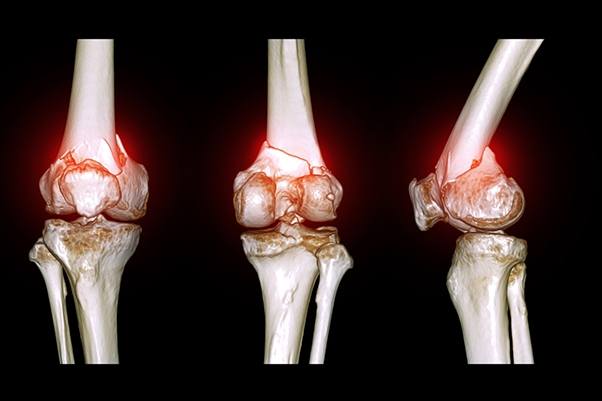
Your journey begins several weeks before your surgery with a specialized CT scan. Unlike traditional X-rays, which provide a flat, two-dimensional view, this scan captures the unique contours, bone density, and alignment of your knee in 3D. We upload this data into the robotic software to create a digital twin of your joint. This allows me to pre-plan every bone cut and select the exact implant size that fits your specific anatomy with sub-millimeter accuracy.
Step 2: Personalized Implant Planning Using Robotic Technology
Once we have your digital model, the robotic system allows for a virtual surgery. We can see exactly how a specific implant will sit and, more importantly, how it will affect your ligament balance. We adjust the plan until the computer confirms that your new knee will have the most natural range of motion possible. This reduces the "mechanical" feeling some patients experienced with older techniques.
Step 3: Real-Time Intraoperative Mapping
On the day of surgery, the robot acts as a high-tech GPS. Once you are comfortably under anesthesia, small sensors are attached to the bone so the robotic system can track the exact position of your knee. This confirms that the physical knee perfectly matches the 3D digital plan we created from your CT scan. If your knee has any unexpected tension or stiffness, the robot allows me to make real-time adjustments to the plan before a single cut is made.
Step 4: Robotic Precision in the Operating Room
During the procedure, a robotic-assisted arm is guided to remove the damaged cartilage and bone. The beauty of this technology lies in its "haptic feedback" or virtual boundaries. The robotic arm will only allow the surgical tool to move within the pre-defined 3D map. If the surgical instrument moves beyond the programmed boundaries, the robotic system automatically halts. This level of protection ensures that we preserve as much healthy bone and soft tissue as possible, which is the key to a faster recovery.
Step 5: Verification of Implant Placement and Closure
Before finishing, the robotic system performs a final quality check. We move the knee through its full range of motion while the computer measures the stability and gap balance. Only when the data confirms a perfect fit do we finalize the implant. Because the surgery is so precise, many of our patients are up and walking within hours, beginning their journey back to an active life.
A More Personalized Future for Knee Replacement
Robotic-assisted knee replacement represents a significant advancement in orthopedic surgery. By combining advanced imaging, detailed surgical planning, and real-time precision during the procedure, this technology allows surgeons to tailor every step of the operation to the patient’s unique anatomy. The result is improved implant positioning, better joint balance, and often a smoother recovery process helping patients Feel Better, Move Better, and Be Better as they return to the activities they enjoy.
Frequently Asked Questions
Is a CT scan required for every robotic knee replacement?
In most cases, yes. The CT scan is the "map" that the robotic software uses to create your personalized 3D surgical plan. Without this detailed data, the robot cannot provide the sub-millimeter precision that allows for a custom fit and a more natural-feeling joint.
Will the robot "take over" the surgery if something goes wrong?
No. The robot is a passive assistant that follows the surgeon's lead. It features haptic boundaries, meaning if the surgical tool moves even slightly outside the planned "safe zone," the robot instantly shuts off. You have the benefit of a human surgeon’s judgment combined with a machine’s digital accuracy.
How long does the robotic portion of the surgery add to the procedure?
Surprisingly, it often makes the surgery more efficient. While the setup takes a few extra minutes to sync the robot with your CT scan, the precision of the robotic cuts often reduces the time spent manually adjusting the implant's fit. Most robotic knee replacements are completed in 60 to 90 minutes.
Can I have a robotic knee replacement if I have metal hardware from a previous surgery?
Often, yes! The pre-operative CT scan is actually incredibly helpful in these cases, as it allows us to see exactly where your old pins or plates are located. We can then plan the robotic path to work around existing hardware, making complex revision surgeries safer and more predictable.
Reference Links: Robotic-Assisted Total Knee Arthroplasty - National Library of Medicine
AUTHOR: Brad Boyd, DO – Joint Replacement & Orthopaedic Surgery Specialist
Brad Boyd, DO is an orthopedic surgeon specializing in joint replacement and joint-preservation surgery of the hip and knee at Town Center Orthopaedics in Fairfax, Virginia. He focuses on advanced surgical techniques designed to restore mobility, relieve pain, and help patients return to an active lifestyle. Dr. Boyd has particular expertise in minimally invasive and muscle-sparing joint replacement procedures, including anterior hip replacement and technology-assisted joint surgery.
Credentials & Training
Dr. Boyd completed his undergraduate education at James Madison University, where he studied sports medicine and exercise physiology. He earned his medical degree from Midwestern University in Chicago, Illinois, followed by an orthopedic surgery residency in York, Pennsylvania.
He then pursued advanced fellowship training in joint replacement surgery at the Rubin Institute for Advanced Orthopaedic Surgery in Baltimore, Maryland, where he trained with internationally recognized joint replacement specialists and gained extensive experience in complex and minimally invasive joint procedures.
Clinical Expertise
Dr. Boyd specializes in hip and knee joint replacement, as well as joint-preservation techniques aimed at delaying or preventing the need for surgery when possible. He has extensive experience treating conditions such as osteoarthritis, avascular necrosis, and degenerative joint disease.
He incorporates advanced technologies including robotic-assisted hip and knee replacement, computer-navigated surgery, and patient-specific joint replacement planning to ensure precise implant placement and improved long-term outcomes. Dr. Boyd is particularly known for muscle-sparing anterior hip replacement techniques, which can help minimize soft tissue disruption and support faster recovery.
Dr. Boyd believes in treating the whole patient, not just the joint, recognizing that musculoskeletal conditions can impact many aspects of a person’s daily life. His goal is to relieve pain, restore movement, and help patients return to the activities that matter most to them.
Medical Disclaimer: This information is for educational purposes only and does not constitute medical advice. For diagnosis and treatment recommendations, please consult with Dr. Boyd or another qualified orthopedic specialist.
Content authored by Dr. Brad Boyd and verified against official sources.