A powerful sprint down the track, a graceful leap across the stage, or a quick pivot on the basketball court all demand precision from your feet. But when a painful bump forms at the base of your big toe, performance can quickly suffer. Let’s explore how running, dance, and court sports contribute to bunion development, and what athletes can do about it.
How Bunions Form and Progress in Active Individuals
A bunion, medically known as hallux valgus, is a bony prominence that forms at the joint where the big toe meets the foot. Over time, the big toe gradually shifts inward toward the second toe, causing the joint to protrude outward. This misalignment can lead to inflammation, stiffness, and pain, especially during high-impact athletic activity.
While genetics often play a role, repetitive stress and footwear choices significantly influence bunion progression. Athletes place increased pressure on the forefoot, which can accelerate structural changes in the big toe joint.
Runner’s Foot Pain: The Link Between Mileage and Bunions
Running places repetitive load on the forefoot with every stride. Long-distance runners, sprinters, and trail runners alike generate significant push-off force through the big toe joint. Over thousands of steps, this repetitive motion can worsen joint instability and inflammation.
Tight or narrow running shoes further compound the problem by compressing the toes.
When the forefoot cannot naturally spread during impact, pressure concentrates at the bunion site. This may lead to swelling, redness, and progressive deformity. Runners with flat feet or overpronation may be at even greater risk due to abnormal biomechanics.
The Unique Impact of Dance on Bunions
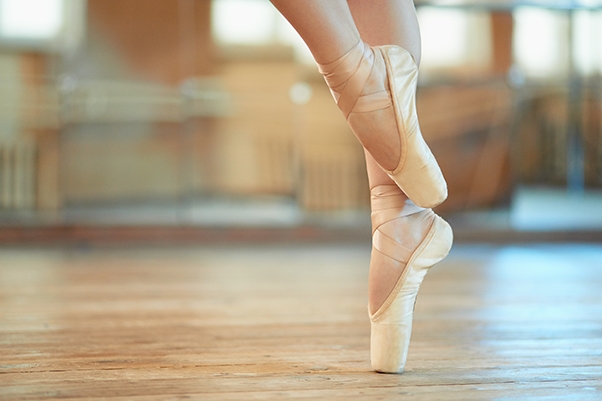
Dance, particularly ballet, places extreme demands on foot alignment. Certain movements shift nearly the entire body weight onto the forefoot and big toe joint. Over time, this constant pressure can strain the supporting ligaments and worsen bunion deformity.
Additionally, tight-fitting dance shoes may restrict natural toe positioning. Even non-ballet dancers in jazz, contemporary, or ballroom styles can experience bunion pain due to repetitive pivoting and forefoot loading. For dancers, early recognition and supportive footwear modifications are essential for long-term joint health.
Court Sports and Quick Directional Changes
Basketball, tennis, and pickleball require rapid cuts, lateral movements, and explosive pivots. These dynamic actions increase torque across the big toe joint, particularly during sudden stops and push-offs.
Hard court surfaces amplify impact forces, and athletes who play frequently may notice gradual discomfort at the base of the big toe. Without proper support, this stress can accelerate bunion progression and limit agility, speed, and endurance.
Treatment Options for Athletic Bunions
The good news is that not every bunion requires surgery. Many athletes benefit from conservative treatments such as custom orthotics, footwear modifications, toe spacers, and physical therapy focused on strengthening intrinsic foot muscles. Anti-inflammatory strategies and activity modification can also reduce flare-ups.
When pain persists or deformity worsens, minimally invasive bunion surgery may be considered. Modern surgical techniques focus on realigning the joint while preserving mobility and supporting a safe return to sport.
Protecting Performance and Long-Term Foot Health
Athletes rely on healthy feet to compete and perform at their best. Early evaluation of bunion symptoms can prevent chronic pain and secondary injuries. With the right diagnosis and personalized treatment plan, it’s possible to protect your feet and your performance, so you can Feel Better. Move Better. Be Better.
Frequently Asked Questions About Bunions in Athletes
Can sports actually cause bunions?
Sports do not directly “cause” bunions, as genetics often play a major role. However, repetitive stress, high-impact activity, and tight footwear can accelerate bunion progression and worsen symptoms in athletes.
Why do my bunions hurt more during activity?
High-impact movements like sprinting, jumping, and pivoting increase pressure across the big toe joint. This added stress can inflame the joint, irritate surrounding soft tissues, and worsen pain during or after activity.
Are certain athletes at higher risk?
Yes. Runners, dancers, and court sport athletes (such as basketball and tennis players) place significant repetitive load on the forefoot. Athletes with flat feet, overpronation, or poor footwear support may be at greater risk.
Can I continue playing sports if I have a bunion?
In many cases, yes. With proper footwear, orthotics, toe spacers, and activity modification, athletes can often continue participating safely. Early treatment helps prevent progression and secondary injuries.
What type of shoes should athletes with bunions wear?
Shoes with a wide toe box, proper arch support, and cushioning are essential. Avoid narrow or tight-fitting footwear that compresses the forefoot. Sport-specific shoes should allow natural toe splay during movement.
Will a bunion go away without surgery?
A bunion will not reverse on its own. Conservative treatments can reduce pain and slow progression, but they do not correct the underlying bone alignment. Surgery is the only way to permanently realign the joint.
When should I consider bunion surgery?
Surgery may be considered if pain limits athletic performance, daily activities, or does not improve with conservative care. Modern minimally invasive techniques can correct deformity while supporting a safe return to sport.
How long is recovery after bunion surgery?
Recovery timelines vary depending on the procedure and the athlete’s goals. Many patients return to low-impact activities within weeks, while full return to sport may take several months under guided rehabilitation.
Hear From Our Patients
Choosing the right orthopedic care is a personal decision, and hearing from others who have been in your position can be helpful. Many of our patients came to us concerned that bunion pain would sideline their training, performances, or competitive season.
Through individualized treatment plans, footwear guidance, and advanced surgical options when needed, they were able to return to running, dancing, and court sports with renewed comfort and confidence. To better understand our approach to personalized, patient-centered orthopedic care, explore some of our patient testimonials.
Reference Links:
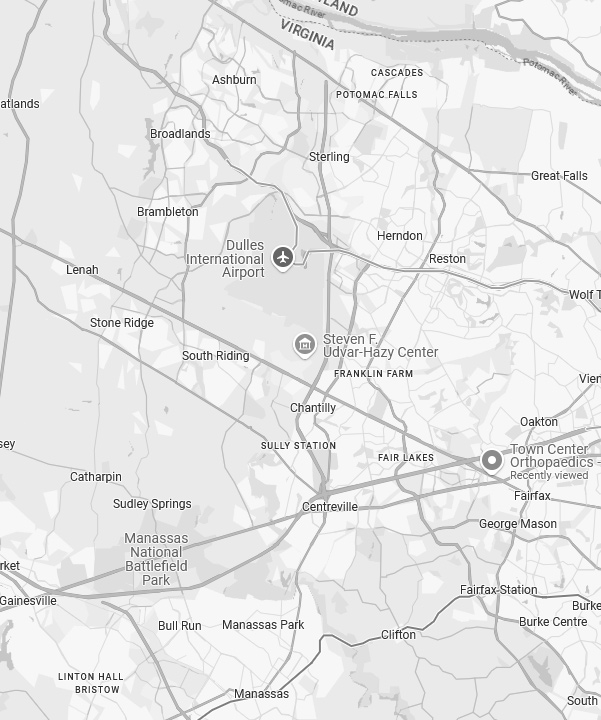
AUTHOR: Collin G. Messerly, DPM, FACFAS is a board-certified, fellowship-trained Foot and Ankle Surgeon at Town Center Orthopaedics, with locations in Ashburn, Centreville, Fairfax, and Reston, Virginia. He is board-certified by the American Board of Podiatric Medicine and board-eligible with the American Board of Foot and Ankle Surgery.
Dr. Messerly's education and training have focused on sports medicine, trauma, and advanced foot and ankle reconstruction. His particular clinical interests include total ankle replacement, lateral ankle pathology, and bunion surgery. He treats all disorders of the lower extremity with both nonoperative and operative options.
Dr. Messerly completed his undergraduate degree in exercise physiology at the University of Utah and earned his medical degree from Des Moines University in Des Moines, Iowa. He completed his surgical residency at Regions Hospital in St. Paul, Minnesota. He then completed an advanced surgical reconstructive foot and ankle fellowship at Shasta Orthopaedics in Redding, California, where he gained extensive experience in high-volume ankle arthroscopy, advanced reconstruction, total ankle replacement - including primary and revision procedures - and minimally invasive surgery.
Dr. Messerly has authored several peer-reviewed publications and has participated in cadaveric surgical training courses focused on total ankle arthroplasty and advanced foot and ankle techniques. He has been practicing foot and ankle surgery with Town Center Orthopaedics since August 2022.